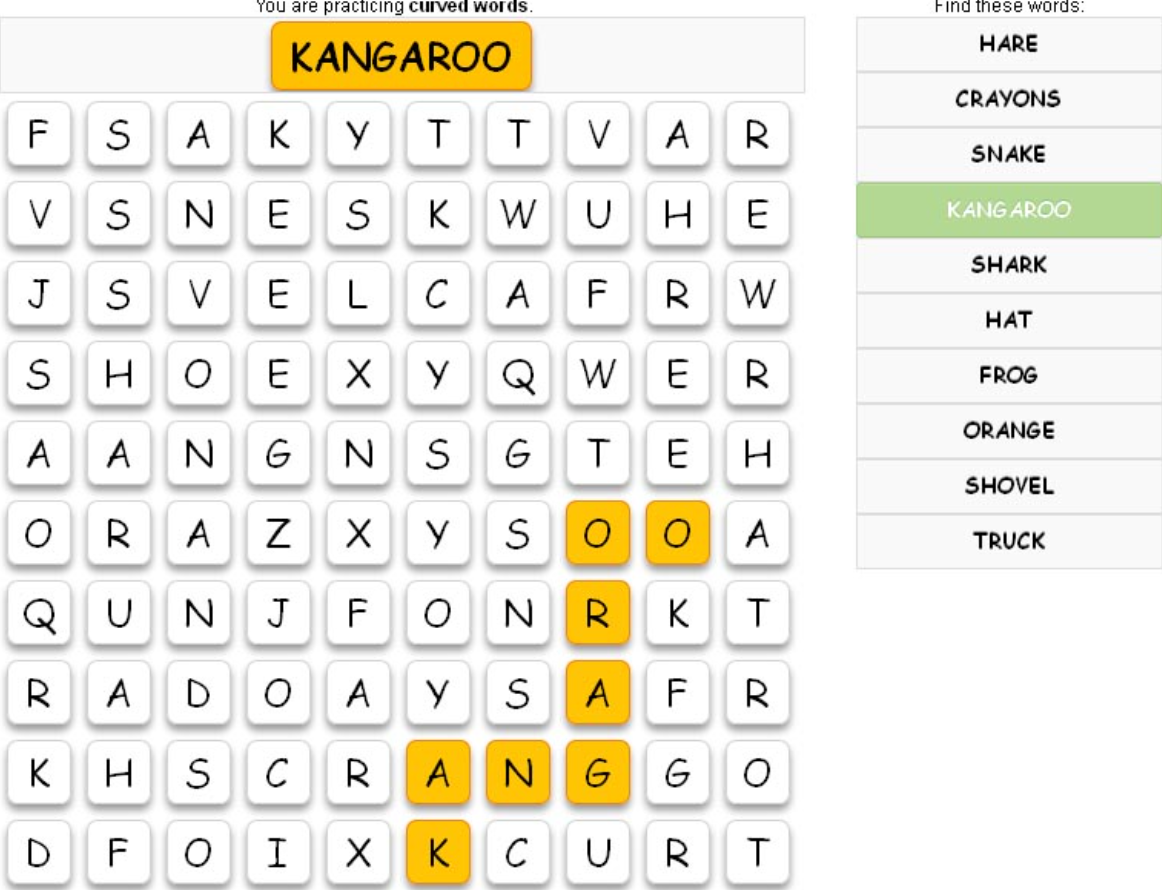
In a time dominated by fast videos endless scrolling and instant entertainment word games may seem outdated. Yet despite technological shifts word based games continue to survive and quietly thrive. They remain relevant because they train something modern media often neglects attention focus and language awareness.
Word games do not compete with flashy graphics or constant stimulation. Instead they reward patience logic and curiosity. This makes them valuable tools in a digital environment that often fragments concentration.
The Timeless Nature of Word Play
Word games have existed for centuries across cultures. From riddles and crosswords to spelling challenges they have always served both entertainment and education.
Their structure is simple. Letters form words and words carry meaning. This simplicity allows word games to adapt across generations without losing relevance.
Digital platforms have only changed the format not the purpose.
Cognitive Benefits Beyond Entertainment
Word games engage multiple cognitive skills at once. Players analyze patterns recall vocabulary test hypotheses and adapt strategy.
This mental activity strengthens memory processing and problem solving skills. Unlike passive consumption word games require active participation.
Regular engagement helps maintain mental sharpness especially when played consistently over time.
Language Learning Through Repetition
Vocabulary grows through exposure and repetition. Word games naturally provide both.
Guessing letters recognizing word patterns and learning new terms reinforce language familiarity without pressure. This makes learning feel natural rather than forced.
For language learners word games offer low stress practice that builds confidence gradually.
Focus in a Distracted Era
Modern digital habits encourage multitasking and shallow attention. Word games counter this trend.
They demand presence. Guessing incorrectly has consequences. Progress depends on focus.
This requirement retrains attention span in small manageable sessions making them effective cognitive exercises.
Why Simplicity Wins
Word games do not overwhelm users with choices. They operate within clear rules.
This simplicity creates mental comfort. Players understand objectives immediately and can focus on solving rather than navigating.
Clear structure reduces cognitive fatigue while still challenging the mind.
Educational Value Without Formality
Word games teach without feeling instructional. There are no grades or deadlines.
This removes performance anxiety and encourages experimentation. Mistakes become part of play not failure.
Learning through play often leads to better retention and engagement.
Closing Thoughts
Word games endure because they respect how the brain learns. They are focused flexible and mentally rewarding.
In a digital world that often sacrifices depth for speed word games quietly protect cognitive skills that matter most.